
What to Eat First in Negros If You Want the Local Rhythm
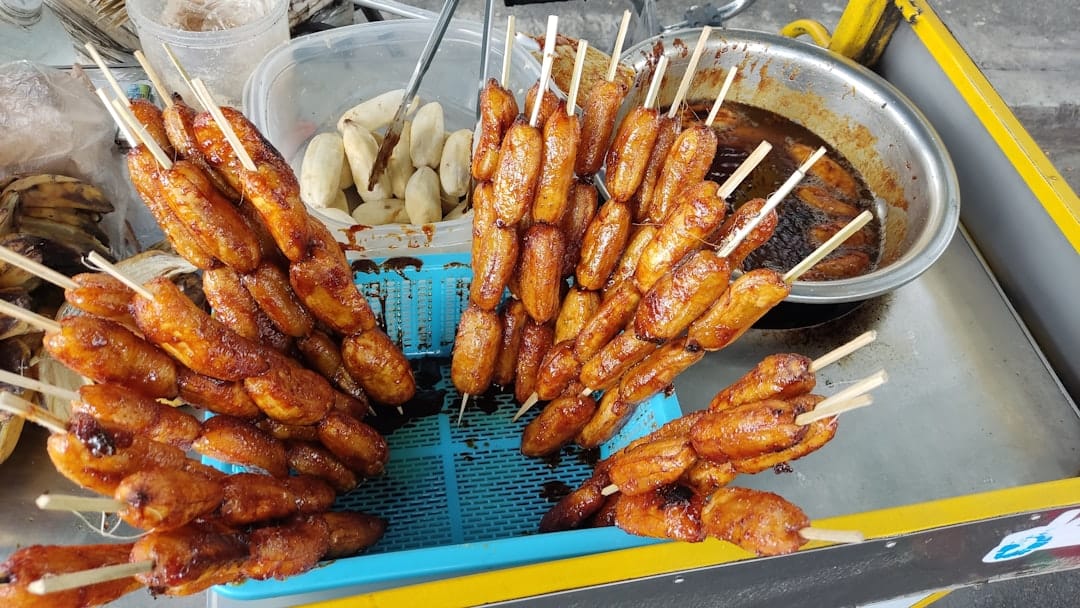
Food on Negros Island is not organised around discovery, variety, or trying something new every day.
It is organised around timing, repetition, and familiarity.
Understanding that difference explains why some people feel instantly settled when they start eating here — while others feel oddly out of sync even though the food is good.
This guide is not about what’s popular or special.
It’s about what people eat first when they’re living their normal days — and why starting there helps everything else make sense faster.
What “Eating First” Means on Negros Island
On Negros, what you eat first in a day — or in your first days — matters more than what you eat later.
Local food habits prioritise:
- energy for work
- predictability
- availability
- ease
Meals are chosen to fit into the day, not to mark the day as an experience.
Starting with familiar, everyday dishes is how people place themselves inside the rhythm rather than watching it from the outside.
Morning Food Sets the Tone
Mornings on Negros are practical.
In towns like Bacolod, Silay, Dumaguete, or San Carlos, early food is about getting on with the day, not lingering.
Typical morning food is:
- rice-based
- warm
- simple
- filling
This might be rice with eggs, soup with rice, or leftover dishes reheated early.
Eating this kind of food first aligns you with the pace of the day. Skipping it or replacing it with something unfamiliar often makes the morning feel disjointed.
Why Rice Comes First (Almost Always)
Rice is not a side. It’s the base.
Meals are built around rice because:
- it’s filling
- it’s predictable
- it supports long mornings
- it pairs with whatever is available
Starting with rice-based meals — even if they feel plain — helps you understand portion sizes, pacing, and how other dishes fit around it.
Food here isn’t layered for contrast.
It’s layered for function.
Market Food Before Restaurant Food
If you want the local rhythm, market-linked food comes first.
Public markets in places like Libertad Market (Bacolod) or Dumaguete Public Market shape what gets cooked that day. Carinderias nearby follow that lead.
Early dishes reflect:
- what arrived that morning
- what can be cooked quickly
- what people expect to eat
Starting with market-adjacent food introduces you to:
- changing menus
- limited choices
- dishes selling out
This isn’t inconvenience. It’s information.
What Locals Eat at Midday
Lunch is the most consistent meal of the day.
It’s usually:
- rice
- one or two cooked dishes
- soup or vegetables
Dishes tend to be:
- familiar
- repeated daily
- not named or described extensively
Eating what’s available at lunchtime — rather than searching for something specific — is one of the fastest ways to feel in sync.
Lunch is not exploratory.
It’s anchoring.
Why Starting “Simple” Matters
Many visitors look for variety early. Locals don’t.
Starting with simple food:
- removes decision-making
- removes comparison
- reduces expectation
Once you’ve eaten the same few meals several times, patterns emerge:
- which flavours repeat
- which ingredients dominate
- which times food feels best
Only after that does variation make sense.
When Restaurants Make Sense (Later)
Restaurants are not where local rhythm is learned first.
They work better:
- later in the day
- after routines are familiar
- when you’re not trying to understand timing
Restaurants offer:
- consistency
- extended hours
- clearer menus
They’re useful — but they don’t teach you how daily food systems work.
Starting there often delays understanding rather than speeding it up.
Evening Eating Is Lighter Than Expected
Evenings on Negros are quieter than many expect.
Food tends to be:
- simpler
- earlier
- closer to home
Many people eat leftovers, light dishes, or skip elaborate meals altogether.
If you expect evening food to mirror lunchtime, it can feel limited. If you accept the slowdown, it feels natural.
Food follows the day’s energy — not the clock.
What to Avoid Eating First
Not because it’s wrong — but because it misrepresents the rhythm.
Early on, avoid:
- seeking constant novelty
- ordering multiple dishes “to try”
- eating late by default
- treating menus as promises
These habits belong to different food systems.
They make Negros feel inconsistent when it isn’t.
Eating as Repetition, Not Discovery
Local rhythm reveals itself through repetition.
Eating the same meals several times:
- removes distraction
- sharpens observation
- makes variation noticeable
Food becomes background rather than focus — which is exactly how it functions in daily life.
Once food fades into routine, everything else becomes clearer.
How This Changes Your First Weeks
People who eat this way early often notice:
- days feel easier
- hunger feels predictable
- planning decreases
- frustration drops
Not because food is exciting — but because it’s reliable.
Reliability is the foundation of rhythm.
Related Guides
- Slow Food in Negros Island: Eating Local Without Rushing
- Why Breakfast Culture Is Different in Negros
Final Note
What you eat first on Negros Island quietly determines how quickly the place makes sense.
Start with what people eat every day, at the times they eat it, without trying to improve or interpret it.
Once you do, food stops feeling like a choice —
and starts feeling like part of the day.
That’s usually when the local rhythm settles in.