
Morning Markets in Negros What Locals Buy Before 9am
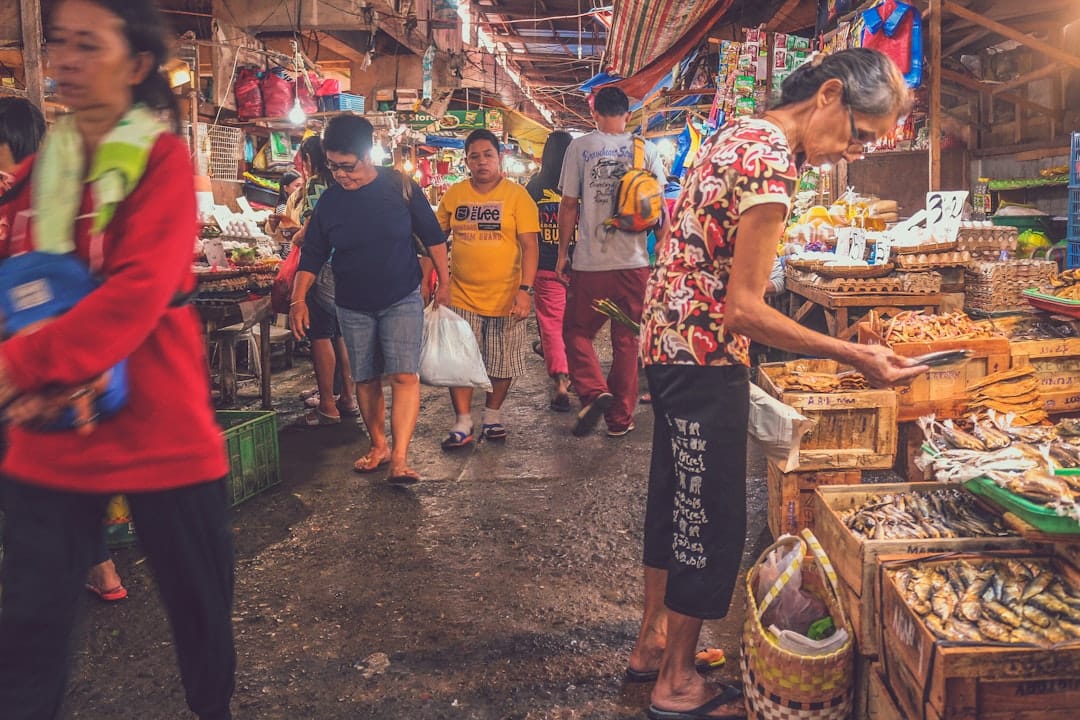
Morning markets in Negros Island are not attractions.
They’re not leisurely.
And they are definitely not designed around visitors.
They exist for one reason: to feed households for the day.
By 9am, most of that job is already done.
Why the Market Is a Morning Thing
Food in Negros follows the clock of heat, transport, and freshness — not convenience.
- Fish arrives early because boats come in at dawn
- Vegetables arrive before the sun gets high
- Meat is sold early because refrigeration is limited
- Buyers want to cook before the day gets too hot
This is why markets feel intense between 5:30am and 8:30am, then suddenly thin out.
If you arrive at 10am expecting “the best selection,” you’re already late.
What Locals Actually Buy (Not What Visitors Expect)
Morning market baskets are practical, not inspirational.
Fish and seafood (very early)
This is often the first stop.
- Small reef fish
- Squid
- Shrimp
- Whatever was caught that morning
Locals buy what’s available, not what’s on a menu.
If a species isn’t there, it simply isn’t eaten that day.
Vegetables (seasonal, limited, fresh)
You’ll see:
- Eggplant
- Okra
- Bitter melon
- Leafy greens tied with string
There’s no expectation of year-round variety.
Food appears when it grows — and disappears when it doesn’t.
Rice, eggs, basics
These anchor the meal.
Most households are buying ingredients, not meals.
This is an important distinction for travellers:
Negros food culture is built around cooking, not dining out.
What You Won’t See (and Why)
Visitors often expect:
- Artisanal displays
- Clear labelling
- Instagram-ready stalls
Morning markets don’t offer that.
You won’t see:
- Explanatory signs
- English descriptions
- “Farm-to-table” branding
The system assumes shared knowledge.
Everyone knows how to cook this food. No one needs it explained.
Timing Matters More Than Location
It’s not about which market.
It’s about when.
A small town market at 6:30am will feel alive.
A larger city market at 10am will feel half-empty.
This often confuses visitors, who assume:
“Maybe this market just isn’t very good.”
In reality, they’ve missed the window.
Why This Shapes the Way You Eat in Negros
Because markets supply the day’s food early, everything downstream follows:
- Lunch menus depend on what arrived that morning
- Carinderias sell what was bought at dawn
- Some dishes are unavailable by afternoon
- “Sold out” is normal, not poor service
This is slow food in practice — not as a philosophy, but as logistics.
How Visitors Can Use Markets (Without Getting in the Way)
You don’t need to buy anything to learn from a market.
If you do:
- Go early
- Keep it simple
- Don’t ask for substitutions
- Don’t touch unless invited
If you don’t:
- Observe
- Notice what’s missing as much as what’s there
- Pay attention to timing, not displays
Markets explain why meals are slow, why menus change, and why food feels different here.
The Quiet Lesson Morning Markets Teach
Negros food culture is not built around choice.
It’s built around availability, timing, and habit.
Once you see that in the market, the rest of the food experience makes sense — the pacing, the simplicity, the lack of urgency.
And that’s why this post belongs under Slow Food in Negros Island.